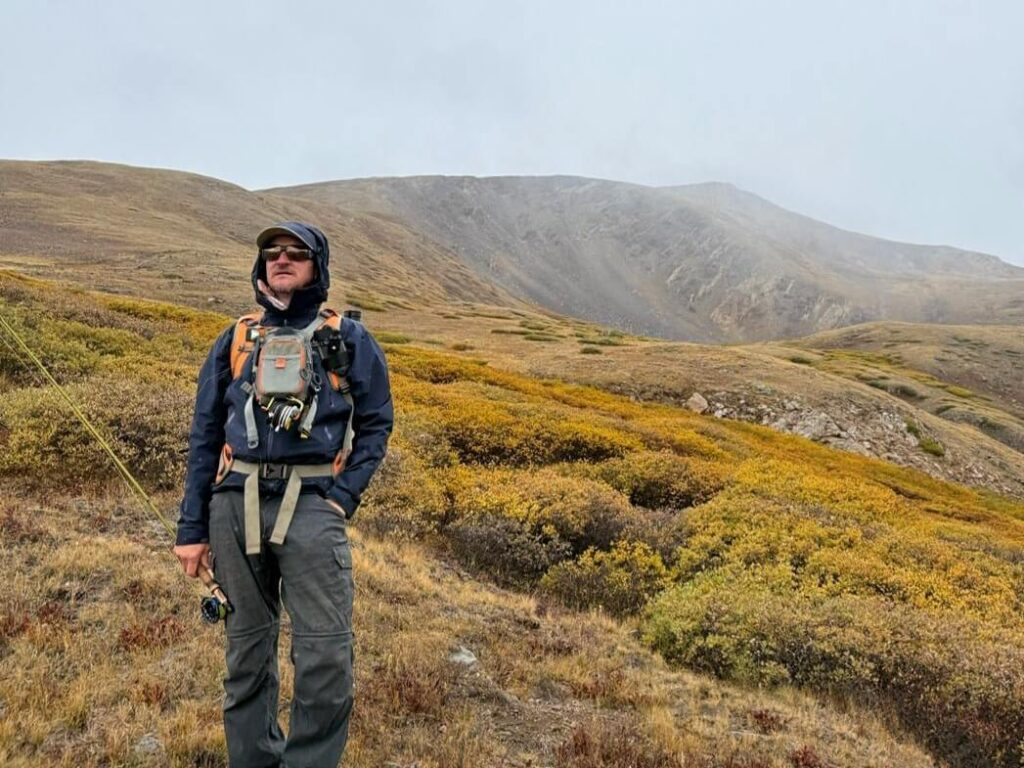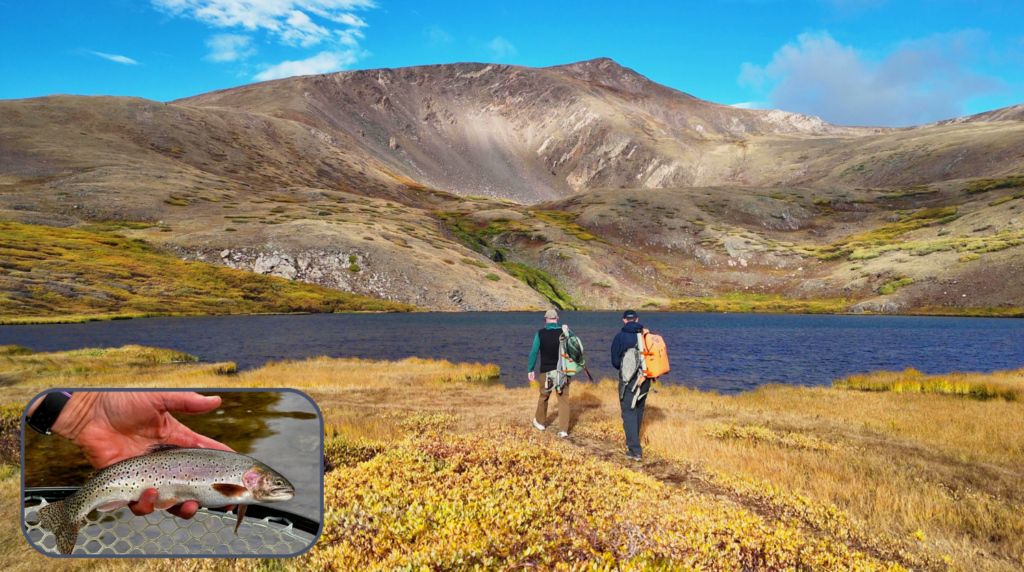
In the heart of Colorado’s rugged Front Range, a quiet revolution is unfolding beneath alpine waters. The Greenback Cutthroat Trout—once thought lost to history—is swimming its way back into native streams thanks to decades of tireless restoration. This story isn’t just about fish; it’s about resilience, collaboration, and the deep connection between people and place. From hatchery science to high-country hikes, the journey of the Greenback is a testament to what’s possible when conservation meets passion.
Our day began well before daybreak, with Tim meeting me at my home in Littleton, Colorado to load up and head out. With our fishing gear packed and loaded in my Ford Bronco, we checked our outerwear selection and footwear choices—sunrise temperatures at the trailhead were lingering in the high 30s. With hot black coffee in hand, we closed the doors and headed west into the Front Range, hoping we’d make it to the trailhead before what we knew would be a very busy situation at daybreak.
We aren’t very superstitious, but as we turned off the interstate an onto the backroads that late September morning, we realized the universe might be trying to tell us something. The sun wasn’t yet climbing over the dimly lit peaks in the distance. Days before the news announced that the Rockies were starting in their full seasonal glow-up, and every human within 300 miles had apparently watched the same reports.
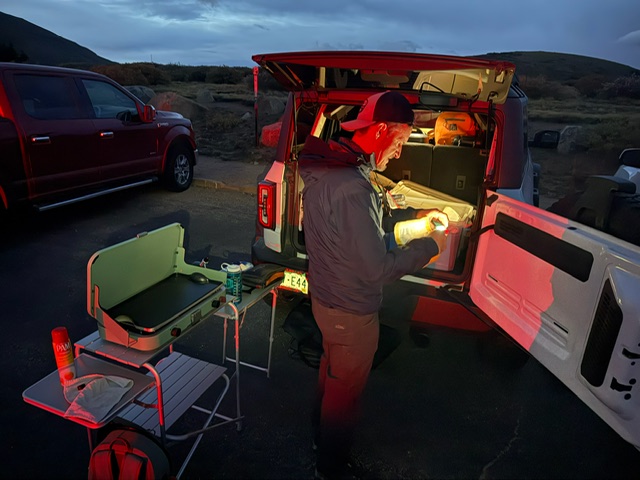
About two miles from the trailhead, traffic slowed to a crawl. The taillights ahead of us blinking red more and more frequently as we kept ascending. Partly cloudy skies, and the dim, deep blue hue of the coming sunrise awaited us as we pulled into the parking area. A disheartening, albeit “very Colorado” experience for this time of year unfolded before us: cars parked along the roadside, a handful of vehicles circling the lot, and headlamps dotting off along the view to the distant peaks. Luckily, we were able to find the last skinny parking spot and squeeze our way in. We cut the headlights and donned our headlamps. Knowing that we weren’t here to rush for sunrise photos of gleaming golden aspens, or to post to Instagram our summit successes, we got to work on our best idea yet—parking lot pancakes.
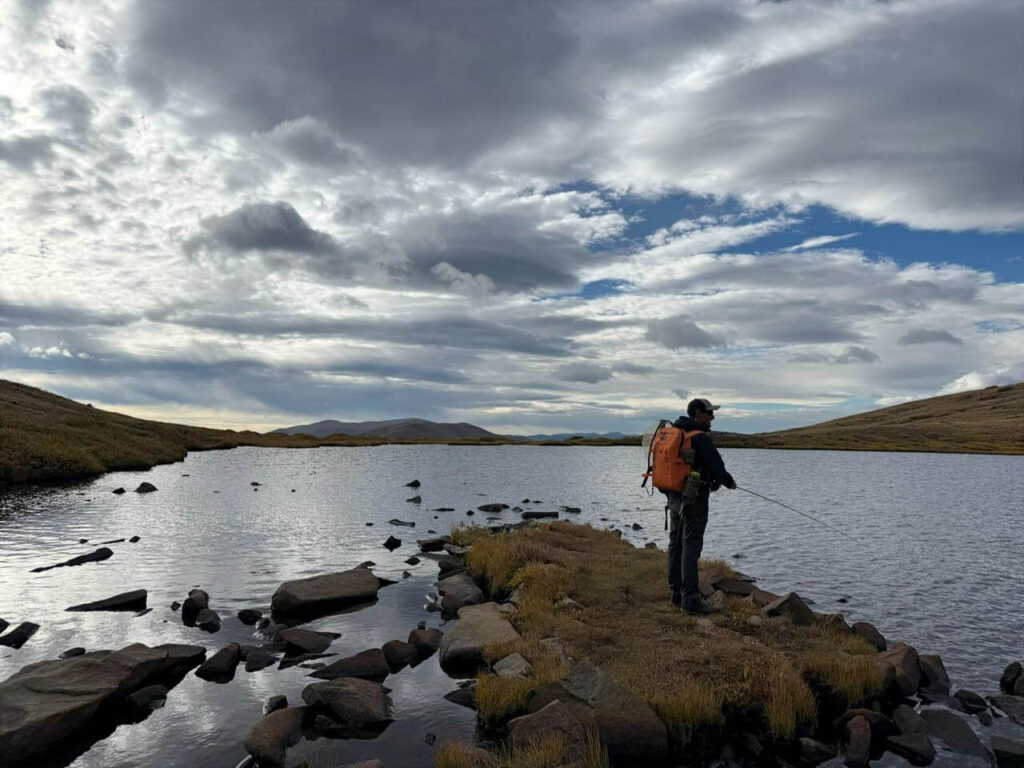
This is What Chasing Natives is All About!
It wasn’t long before we got dialed in with our flies. Tim continued to get takes on his Dornan’s Micro Water Walker with nearly every cast. I added to our catch rate on a “Tres Huevos” dropper. With each fish netted, our excitment was equalled only by our reverence for catching Colorado’s imperiled state fish in remote, native waters. “This is what it’s all about…” I put in my notes from the trip. Tim and I kept grinning from ear-to-ear as we thought of all the hard work my coworkers – and their federal, state, and local partners – had put into this moment. Gratitude, joy, and accomplishment flowed into each cast . Before long, I found myself shouting over to Tim for a little net help once again. What a day this was becoming, and it wasn’t even lunchtime yet!
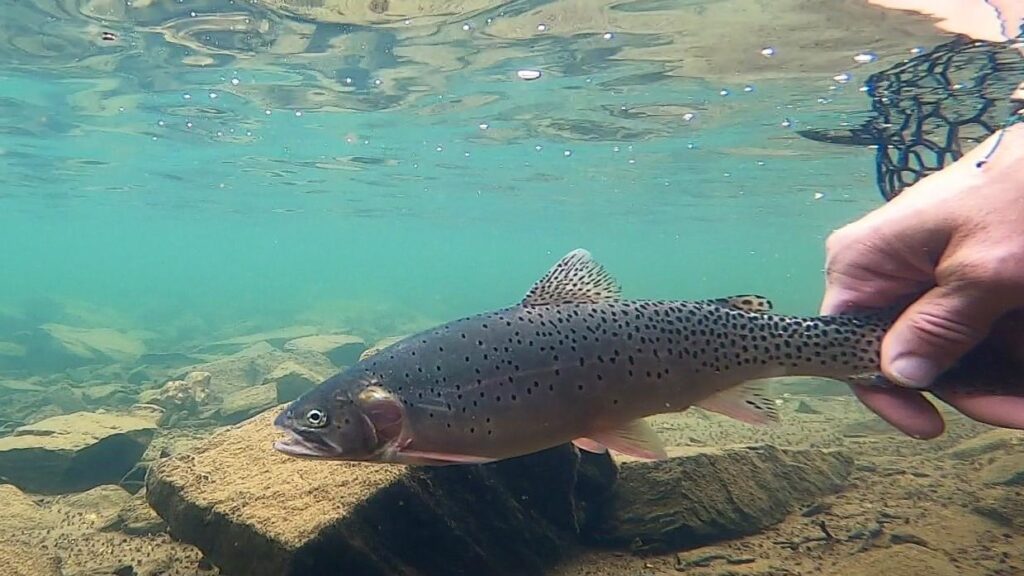
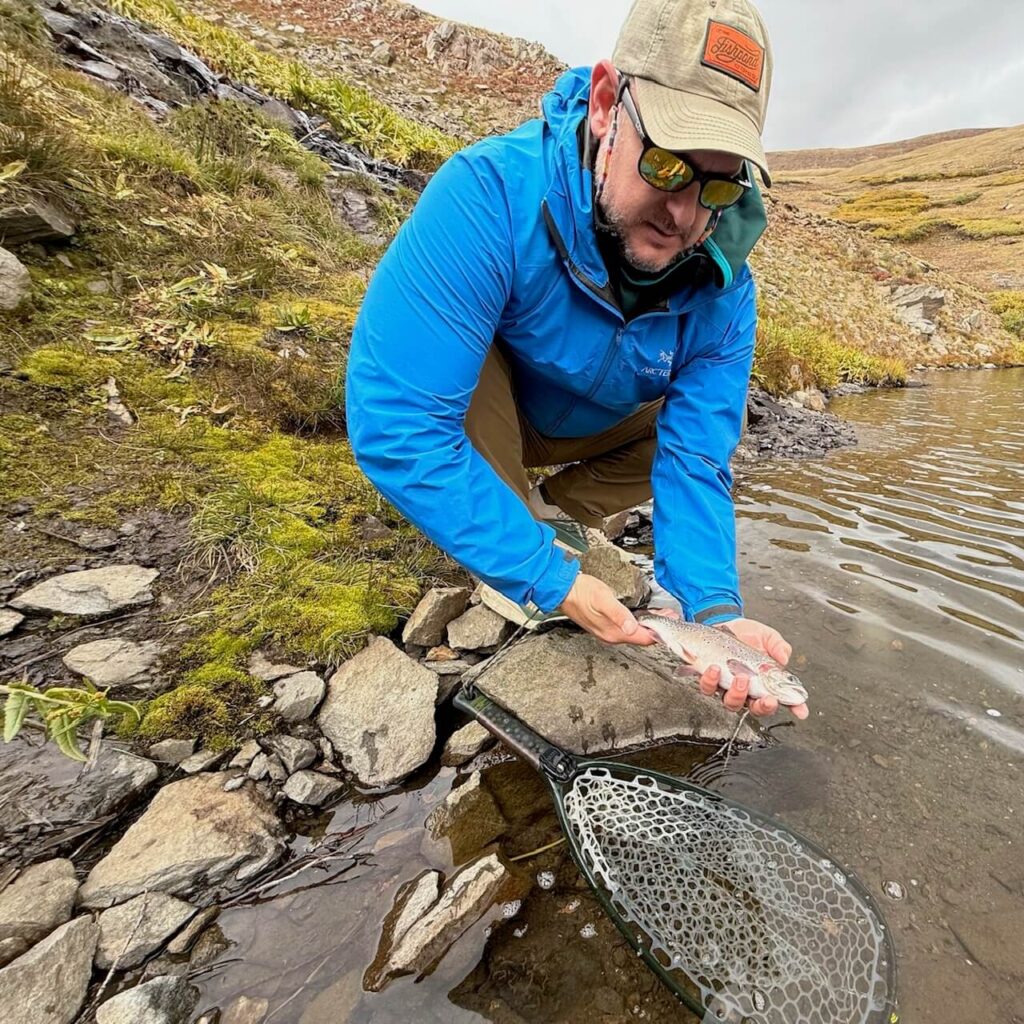
As Tim and I descended from the windswept cirque, soaked and smiling, we carried more than just memories of trout on the line. We carried a renewed sense of hope. Each cast into these restored waters is a tribute to the scientists, stewards, and volunteers who fought to bring the Greenback Cutthroat home. In a world where wild places face mounting pressures, the story of Colorado’s native trout reminds us that restoration is not only possible—it’s already happening. Sometimes, the recipe for finding them begins with pancakes in a parking lot, and ends with a storm-chased smile.